Pico de gallo is the quintessential fresh Mexican condiment that brings a vibrant, garden-fresh explosion of flavor to any table. When you see a rustic stone molcajete filled with perfectly diced vegetables, you know you are in for a culinary treat that balances acidity, heat, and crunch. This isn’t just a side dish; it is a masterclass in texture and seasonal simplicity.
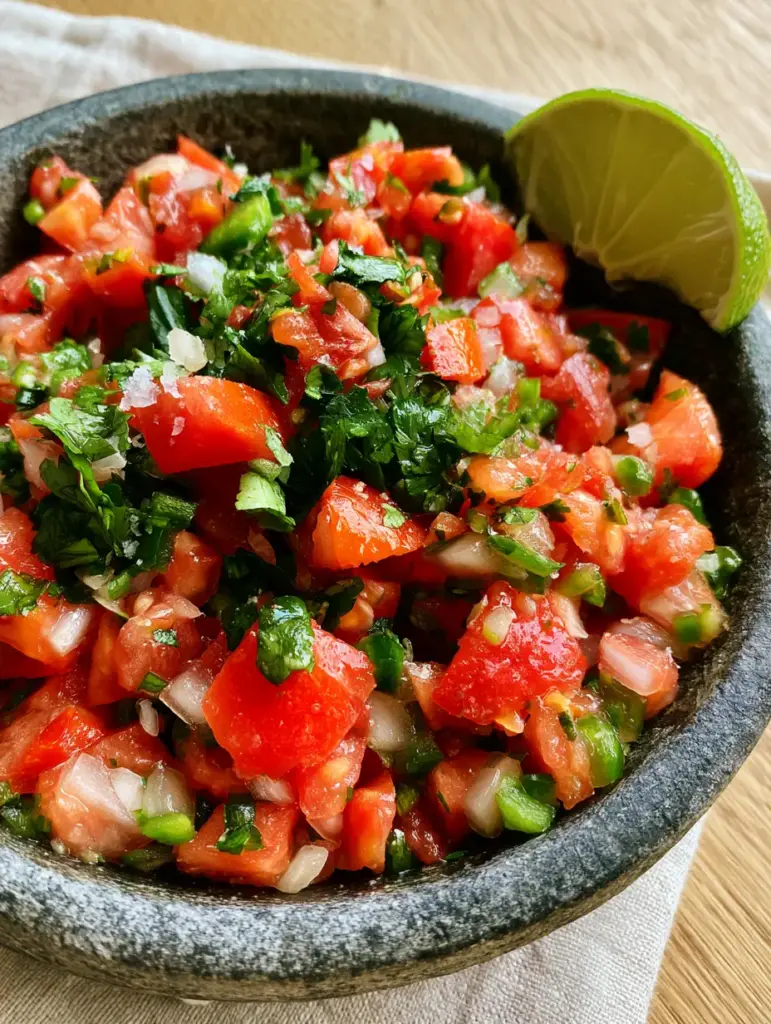
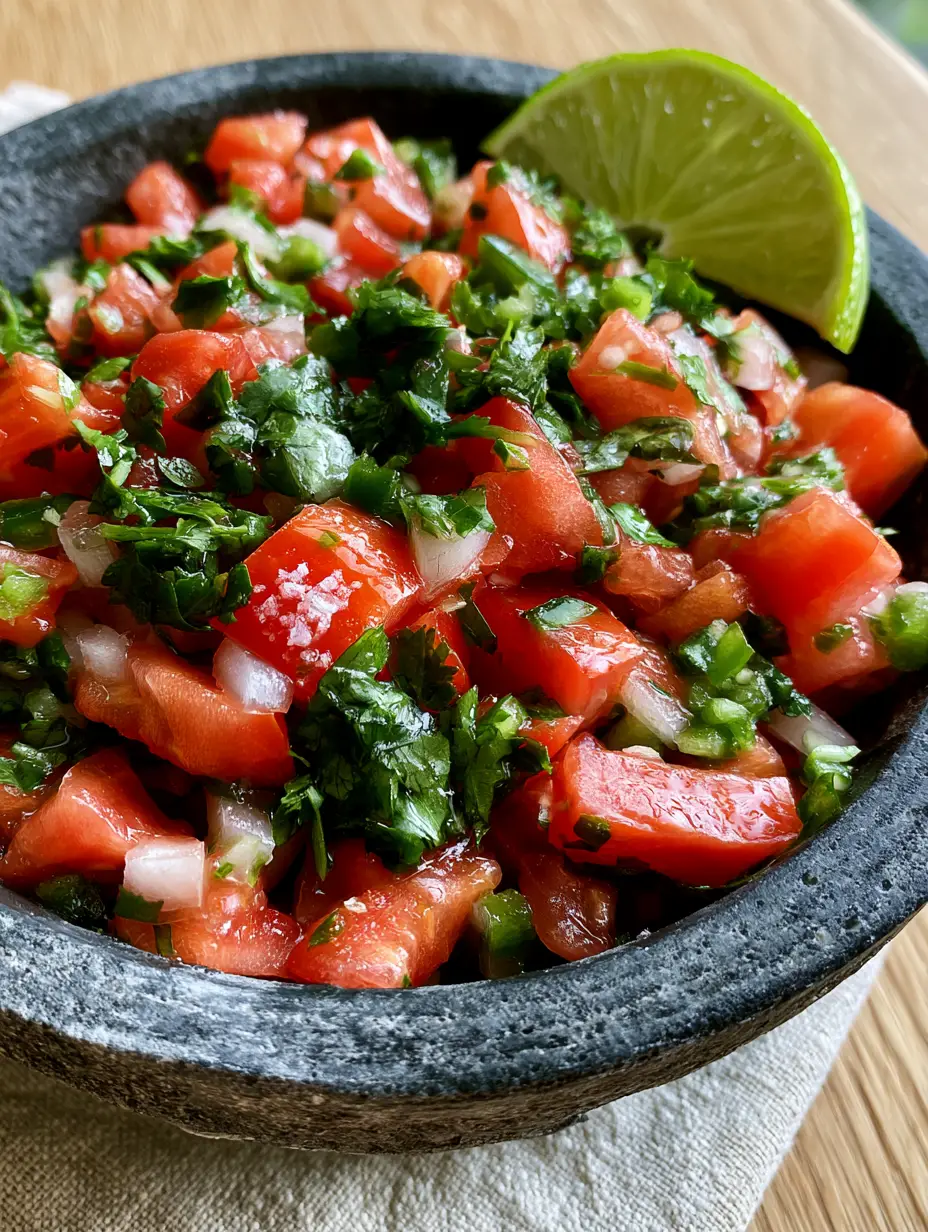
Our journey to the perfect pico de gallo begins with a focus on visual and structural integrity. Forget the watery, soup-like salsas found in plastic tubs at the grocery store. We are aiming for the “matte-fresh” texture captured in high-end culinary photography—where every translucent cube of onion and every glinting flake of sea salt stands out with intentionality.
Whether you are hosting a festive gathering or simply looking to elevate a weeknight meal, mastering this recipe is a foundational skill for every enthusiastic home cook. By focusing on the “Forensic Visual Accuracy” of your ingredients, you ensure that every bite is as beautiful as it is delicious.
The Signature Qualities of a Truly Authentic Fresh Salsa
- Structural Integrity: By using firm Roma tomatoes and removing the watery pulp, we achieve a crisp, “dry-fresh” texture that doesn’t puddle on the plate.
- Vibrant Visual Contrast: The juxtaposition of bright red tomato skins against the emerald green of fresh cilantro and the translucent white of the onion creates a stunning mosaic.
- Balanced Heat and Acid: We use minced jalapeños for a controlled kick, balanced by the bright, zesty zing of freshly squeezed lime juice.
- Artisanal Presentation: Serving this in a dark grey volcanic stone bowl (molcajete) provides a rustic, authentic aesthetic that enhances the dining experience.
- Flavor Maturation: While it can be eaten immediately, a short 15-minute rest allows the sea salt flakes to draw out just enough moisture to create a natural, light dressing.
Selecting the Elements for Your Stone Bowl Masterpiece
Creating an elite pico de gallo requires more than just chopping; it requires the selection of superior produce. Each ingredient plays a specific role in the visual and flavor profile of the final dish.
Firm Roma Tomatoes: You will need 1.5 lbs (680g) of Roma (plum) tomatoes. These are preferred for their thick walls and lower water content, which prevents the salsa from becoming “soaked.”
Crisp White Onion: Use 1 cup (150g) of finely chopped white onion. Unlike yellow or red onions, the white variety provides a sharp, clean bite and a beautiful translucent appearance that mimics crystal cubes.
Fresh Jalapeño Peppers: Approximately 2-3 medium jalapeños (about 45g) are required. Mincing them finely ensures the heat is distributed evenly rather than overwhelming the palate in a single bite.
Coarsely Chopped Fresh Cilantro: One large bunch, yielding about 1/2 cup (15g) when chopped. Cilantro provides the “emerald flecks” mentioned in our visual blueprint, adding an herbaceous depth.
Coarse Sea Salt Flakes: Use 1 tsp (5g) of high-quality sea salt. The large flakes are critical for the visual prompt, as they should remain slightly visible on the tomato skins to invite the first bite.
Fresh Lime Wedge: One large lime, cut into wedges. The juice provides the essential acid to “cook” the onions slightly, while a wedge on the rim of the bowl adds a professional garnish with visible juice vesicles.
Essential Tools for Precision Dicing and Presentation
To achieve the professional results seen in our
First and foremost, a sharp Chef’s knife is non-negotiable. Because we are working with firm tomato skins, a dull blade will crush the cells rather than slicing through them, leading to the excess juice we want to avoid.
A dark grey stone molcajete or a heavy ceramic bowl provides the rustic backdrop needed for the colors to pop. The porous nature of volcanic stone also keeps the vegetables slightly cooler than a plastic or glass container would.
Finally, a fine-mesh strainer is a “secret” tool for those who want the absolute best texture. Resting the diced tomatoes in a strainer for five minutes before mixing helps remove any residual internal liquid, ensuring that “matte” finish.
Mastering the Knife Skills for a Perfect Cube
Phase 1: Prepping the Roma Base
Start by slicing your 1.5 lbs (680g) of Roma tomatoes in half lengthwise. Use a small spoon or your thumb to scoop out the seeds and the watery locular gel. This is the most critical step to achieving the “no visible excess juice” requirement of our visual blueprint.
Once the tomatoes are hollowed out, slice them into long strips and then turn them 90 degrees to create uniform, firm cubes. Aim for a 1/4 inch (6mm) dice. The result should be bright red, glistening pieces that hold their shape perfectly in the bowl.
Phase 2: The Onion and Pepper Infusion
Peel your white onion and dice it to match the size of your tomatoes. The goal is a 1:2 ratio of onion to tomato. This ensures the onion provides crunch without overpowering the sweetness of the fruit.
For the jalapeños, slice off the stem and cut the pepper in half. If you prefer a milder pico de gallo, scrape out the white membranes and seeds. Mince the green flesh into tiny, uniform bits. These should look like “vibrant emerald green” jewels scattered throughout the white and red base.
Phase 3: The Cilantro and Seasoning Finish
Wash your cilantro thoroughly and pat it dry—excess water is the enemy of a fresh salsa. Coarsely chop the leaves and the tender upper stems. Avoid over-chopping, which can bruise the leaves and make them look dull or “mushy.”
Place all the vegetables into your stone bowl. Sprinkle the 1 tsp (5g) of coarse sea salt flakes over the top. Use a gentle folding motion with a spoon to combine the ingredients without crushing the delicate tomato cubes.
Culinary Expert Tips for the Ultimate Flavor Profile
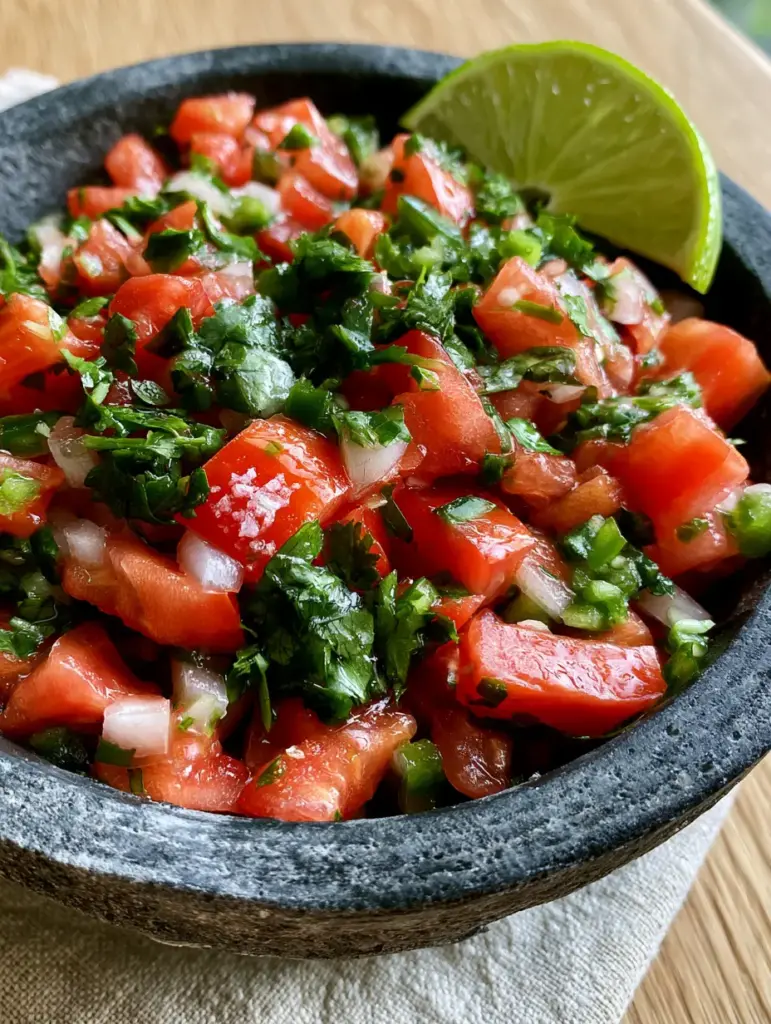
- The 15-Minute Rule: Allow the salsa to sit at room temperature for 15 minutes before serving. This allows the salt to macerate the vegetables just enough to meld the flavors while maintaining that “glistening, matte-fresh” look.
- Acid Timing: Only squeeze the lime juice over the salsa right before serving. If the acid sits too long, it will begin to “cook” the tomatoes, causing them to lose their firm, vibrant red appearance and turn slightly translucent.
- Temperature Matters: Serve the pico de gallo at a cool room temperature. If it is too cold from the fridge, the volatile aromatics in the tomatoes and cilantro are suppressed, leading to a flatter flavor.
- The Salt Selection: If you can find Maldon sea salt, use it. The pyramid-shaped flakes catch the light beautifully and provide a specific “crunch” that fine table salt cannot replicate.
Optimal Storage and Refreshing Techniques
Pico de gallo is best enjoyed within 4 hours of preparation. This is when the texture is at its peak and the colors are most vivid. However, life happens, and you may have leftovers.
Store any remaining salsa in an airtight glass container in the refrigerator for up to 2 days. Be aware that the tomatoes will release more liquid over time as the salt continues to work. This liquid is packed with flavor and is excellent when added to a zucchini and tomato gratin.
To refresh day-old pico, drain the excess liquid using a slotted spoon and add a fresh pinch of chopped cilantro and a squeeze of new lime juice. This will “wake up” the flavors and restore some of the visual brightness.
What to Serve with Your Fresh Stone Bowl Salsa
This pico de gallo is a versatile powerhouse. It is the natural companion to grilled meats, but it also shines when paired with other summer-focused dishes. Its bright acidity cuts through the richness of grilled proteins perfectly.
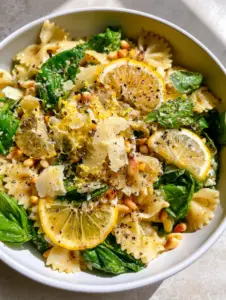
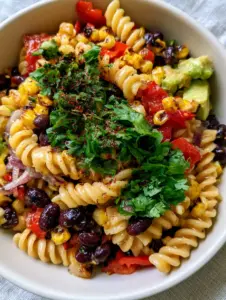
For a complete seasonal spread, consider serving this alongside a summer corn salad or even a light mediterranean pearl couscous salad. The textures of the diced vegetables complement grain-based salads exceptionally well.
If you are hosting a party, nothing beats the combination of fresh chips, this salsa, and a round of summer batch cocktails. The salty, citrusy profile of the salsa makes it a natural friend to tequila-based or citrus-forward drinks.
Frequently Asked Questions
While you can use red onion for a milder, sweeter flavor, authentic pico de gallo typically uses white onion for its sharp, clean bite and translucent appearance.
The secret is to use firm Roma tomatoes and scoop out the seeds and watery pulp before dicing. Resting the diced tomatoes in a strainer for 5 minutes before mixing also helps maintain a matte-fresh texture.
Pico de gallo is best served within 4 hours. It will stay safe in the fridge for up to 2 days, but the texture will become softer and more liquid will be released as it sits.
The heat level depends on the jalapeños used. For a mild version, remove all seeds and white membranes from the peppers. For more heat, include some of the seeds in the mix.
Pico de gallo is a type of salsa fresca. Unlike traditional salsas that may be cooked or blended, pico de gallo is always raw and features distinct, chunky diced pieces with very little liquid.
The Ultimate Fresh Pico de Gallo Recipe
This recipe focuses on the traditional “Salsa Bandera” style, representing the colors of the Mexican flag. By following these specific ratios and techniques, you will produce a salsa that is restaurant-quality and visually stunning in your rustic stone bowl.
Pico de Gallo: The Ultimate Authentic Mexican Salsa Recipe
Ingredients
Equipment
Method
- Slice Roma tomatoes in half and remove all internal seeds and pulp to ensure a matte-fresh texture without excess juice.
- Dice the tomatoes and white onion into uniform 1/4-inch cubes. Mince the jalapeños finely, removing seeds if a milder heat is desired.
- In a stone molcajete or bowl, combine the tomatoes, onion, jalapeño, and coarsely chopped cilantro.
- Sprinkle with coarse sea salt flakes and add the fresh lime juice. Fold gently. Let rest for 15 minutes at room temperature to allow flavors to meld before serving with a lime wedge garnish.
Notes
Ensure cilantro is completely dry before chopping to prevent a bruised, mushy appearance.
Closing & Call to Action
Mastering the pico de gallo is a rite of passage for any home cook who loves fresh, vibrant flavors. By focusing on the quality of your dice and the freshness of your produce, you create a dish that is far greater than the sum of its parts. This recipe is a testament to the beauty of simple, seasonal ingredients prepared with care.
Did you try making this in a molcajete? We would love to hear how your salsa turned out! Leave a comment below or share your “matte-fresh” creations with us on social media. For more inspiration, follow us and pin this recipe to your favorite boards on Pinterest.
Looking for more summer inspiration? Don’t miss our guide to the best blueberry mojito recipe to keep things cool while you grill!